What is insolvency?
Breaking down the management of insolvency and liquidation
Beginning in 1964, Pickles has been building a business legacy atop a rich country heritage and has transformed into Australia's leading comprehensive asset remarketing company. Though renowned for offering an extensive range of motor vehicles, industrial equipment and salvage goods, Pickles are more than just an auction house. Beyond auctions, Pickles specialises in asset appraisal, valuations, fleet management, data administration and expert consultation, and that extends to guiding businesses through bankruptcy, liquidation and insolvency.
What is insolvency?
Understanding insolvency requires knowledge of how complex a process it is, with different approaches needed depending on the situation. If a person or company is unable to pay their debts when they are due for payment, they are insolvent. Often in Australia, the words ‘bankrupt’ and ‘insolvent’ are used interchangeably when in fact bankruptcy is a legal procedure for people who are insolvent.
Insolvency offers a fair and efficient strategy for settling the financial affairs of people and companies that are unable to pay their debts. By providing a way for viable but financially distressed businesses to continue trading, insolvency allows jobs to be saved and ensures the company can stay contributing to the economy.
It's important to understand how insolvency is navigated. To put it simply, those who owe money to a company or person are known as debtors, whereas those who are owed money by a company or person are creditors. For creditors seeking resources on navigating the insolvency process, you can read more on the Australian Restructuring Insolvency and Turnaround Association website.
Is there a difference between insolvency and bankruptcy?
Technically, there is a difference between insolvency and bankruptcy in Australia. Insolvency refers to a company or person being unable to pay their debts as they fall due whilst bankruptcy is a term designated when a person, not a company, enters the legal status of “bankruptcy”. In Australia, individuals generally remain under this status for three years.
What is the liquidation process?
Insolvency is the catalyst for the process of liquidation, which sees a company's assets converted into cash, with those funds then used to repay as much of the company's debts as possible. Generally, liquidation means a company stops trading and shuts down, and is legally dissolved.
Liquidation can occur in three different ways:
- Creditors' voluntary liquidation: This is prompted by the company's directors when they are concerned the company can't pay its debts.
- Court liquidation: Begins due to a court order which is usually made after an application by a creditor of the company.
- Members' voluntary liquidation: This offers a way for solvent companies (e.g. those not in financial difficulty) to shut down their company.
How Pickles assists with insolvency
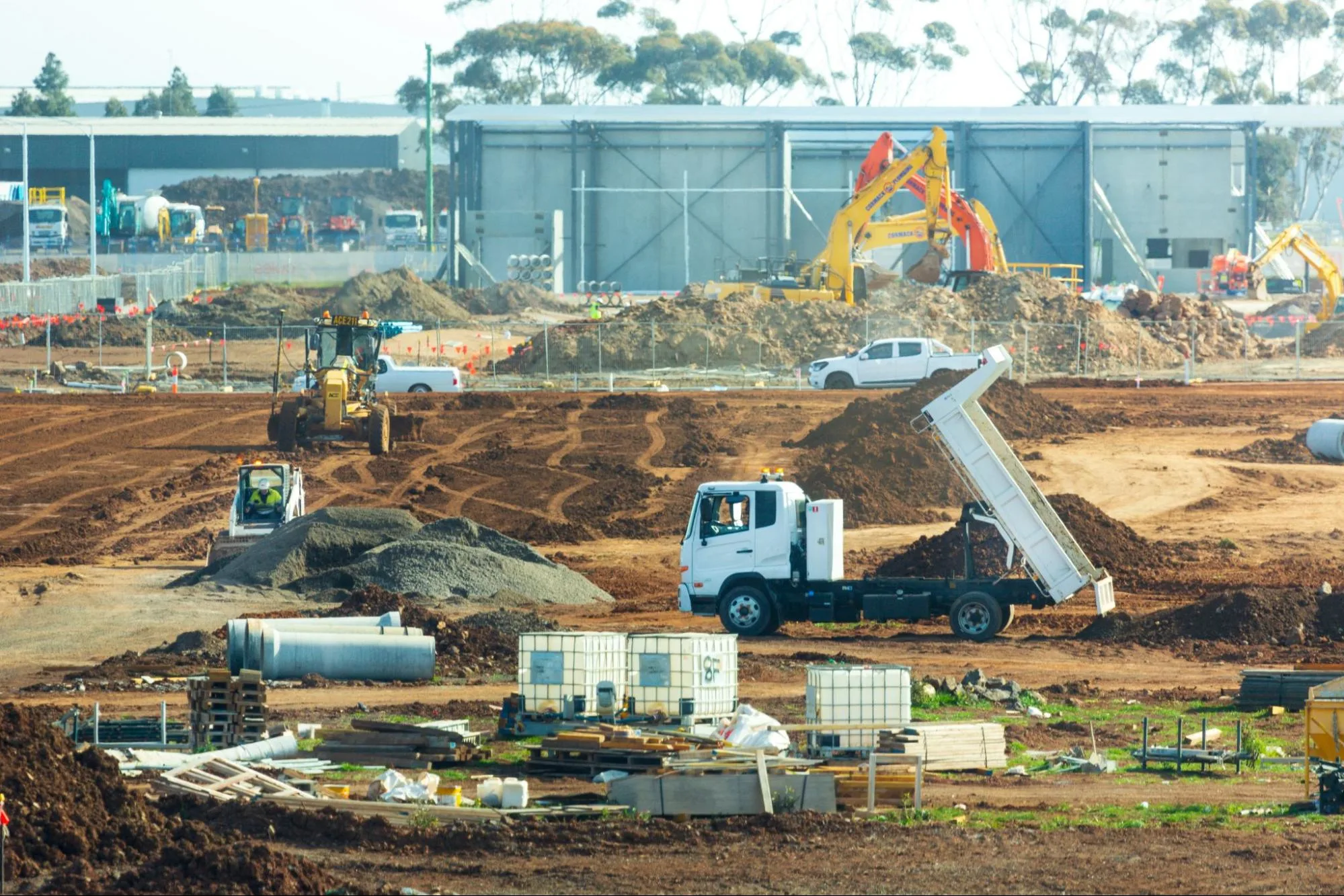
Pickles' highly experienced internationally trained team of valuers assists clients by implementing risk strategies, providing feasibility assessments and maximising asset realisation on every asset put to sale. Take our recent liquidation for MTQ Cornell Diesel Systems, which demonstrated our success in securing a terrific result for an established Australian company.
For businesses seeking support with insolvency, liquidation or restructure, choosing to partner with an experienced business like Pickles enables you to take an orderly approach that yields better outcomes. Pickles' experts specialise in managing asset remarketing, valuation, and disposal for distressed businesses, receivers, and liquidators.
What you gain from working with Pickles:
- Valuations: Gain access to the largest and most advanced data-set and valuation capability in the country.
- WHS Services: Be supported through trade on risk assessments, Safety Management, and system reviews.
- Remarketing specialists: Experience multi-channel distribution accounting for gross sales of $3BN+ in FY25.
- Asset purchasing: Unlock equity through Pickles' purchasing of surplus or underutilised assets.
- Data analytics: Discover tools and insights into asset pricing and advanced market modelling.
- Guaranteed Future Value (GFV): Underwrite residual risk or find a pathway to alternative funding.
To find out more about what Pickles can do to support you, be sure to visit pickles.com.au or to stay informed and ahead of the market, follow @picklesauctions on Facebook and Instagram, where we share the latest sales events, auction highlights and expert insights.