Discover the growth of EV & hybrid trucks in Australia
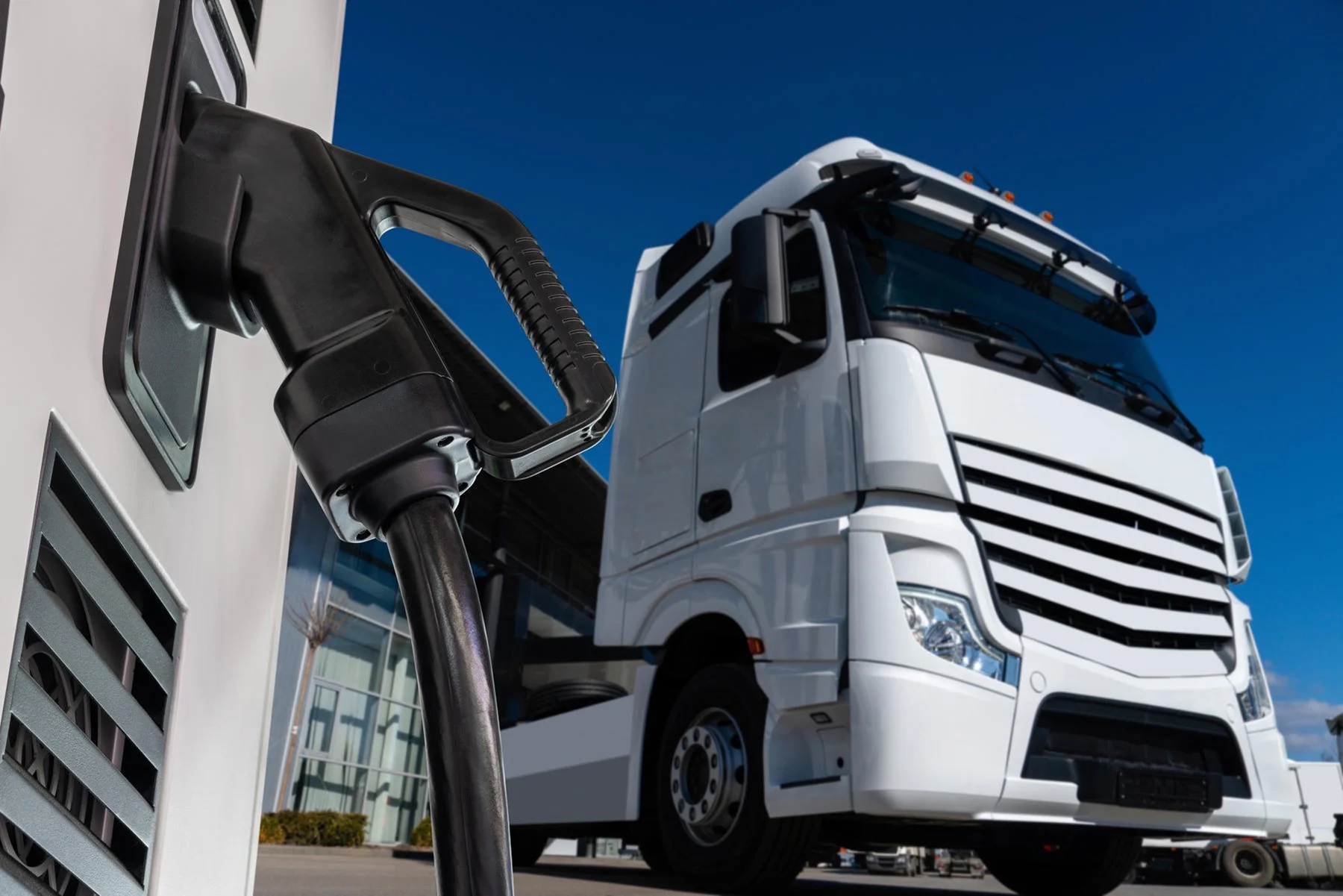
Australia is seeing a rise in EV & hybrid trucks, here's why
The race to electrification has expanded, with electric and hybrid trucks now entering early-stage adoption in Australia. Driven by emissions targets and the need for lower operating costs, the growth of Electric Vehicle (EV) and hybrid trucks has prompted fleets to factor the increase of model availability into their long-term planning. As demand for quieter, greener and more efficient trucks increases globally, Australia's major operators are beginning to lead the charge for EV and hybrid truck uptake.
Initiatives such as the Australian Renewable Energy Agency's (ARENA) “Driving the Nation” Program are being supported by recognisable names like Woolworths, with the goal of overcoming the barriers of adopting EV and hybrid trucks. With infrastructure investment expanding, there's no stopping the proliferation of EV and hybrid trucks throughout the Australian market.
Adoption of EV and hybrid trucks in Australia is gaining traction
While hybrids are bridging the transition today, EV trucks are gaining commercial traction – positioning alternative-fuel trucks as a meaningful part of Australia's heavy vehicle market over the next decade. Australia's heavy transport sector is shifting from cautious testing to meaningful early adoption, with clear signals emerging across EV, hybrid, and hydrogen uptake. While overall volumes remain small, fleet behaviour shows the transition is accelerating as new models arrive, prices fall, and major operators commit to decarbonisation.
Major logistics companies and urban delivery fleets account for much of the adoption in recent years. The shift is well and truly here, as outlined in the MOV3MENT Electric Truck Report 2025. EV truck and van sales have surged – tripling in 2023 before rising to 278 sales in 2024, surpassing hybrids for the first time. Forecasts indicate around 300 sales in 2025, pushing Australia's total electric truck ownership beyond 800 vehicles.
At the same time, market choice has expanded significantly, with available EV truck brands expanding from three in 2023 to twelve in 2025, easing price pressures and improving suitability across use cases. Notable brands are making their way into the EV space as well, with the Volvo FM Electric truck being introduced to Western Australia in 2024.
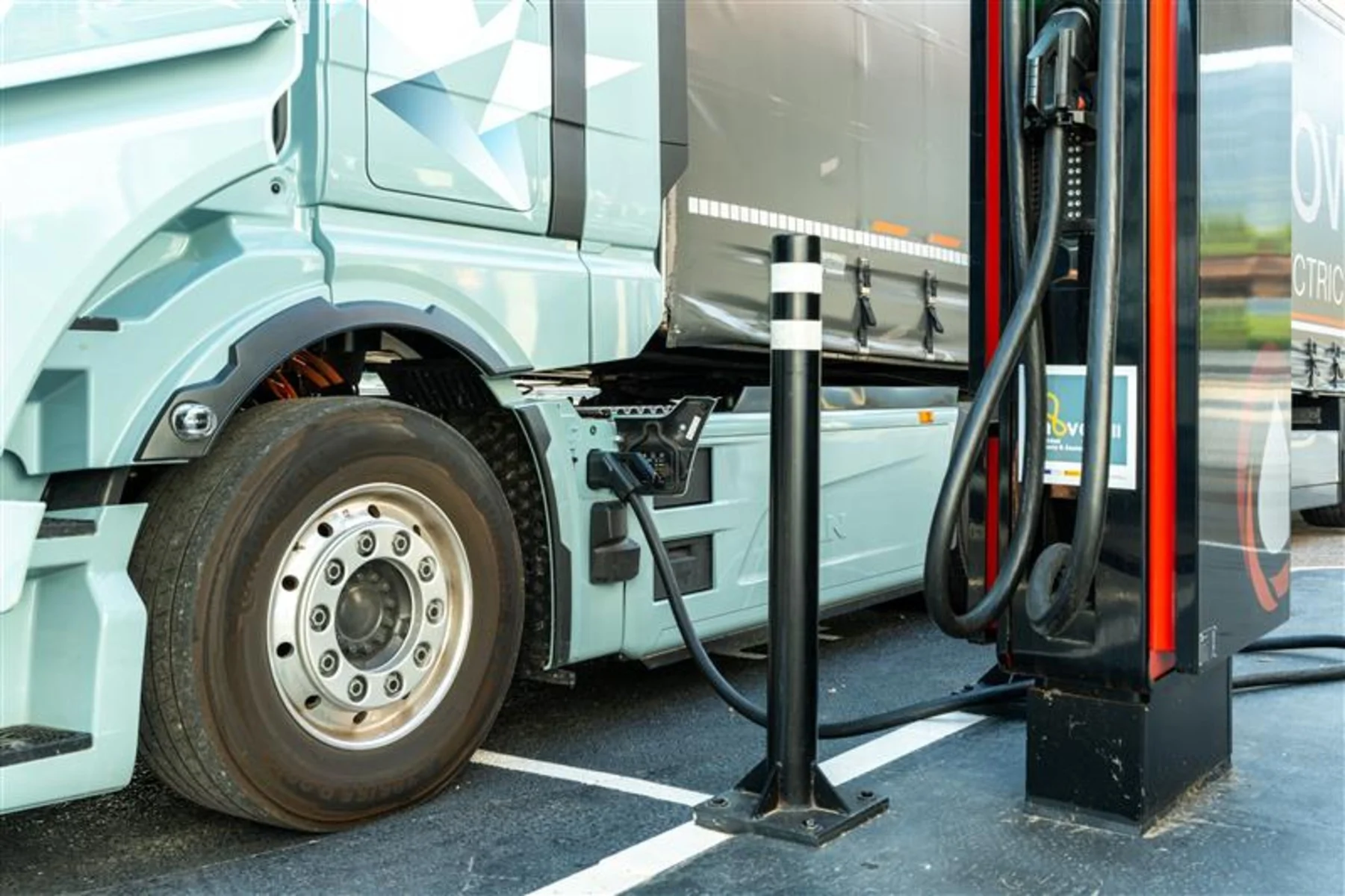
Confidence is growing with increased investment in the EV truck space
As charging networks expand and vehicle availability improves, hybrids are increasingly being used as a transition. Hybrids allow fleets to reduce emissions while preparing for a full transition to electric or hydrogen in the years ahead. At this stage, hybrid trucks are currently outselling EVs ultimately due to offering immediate efficiency gains with fewer operational changes. However, the growth of EV trucks achieved a major milestone recently with the establishment of Australia's first public electric truck charging site in Geelong.
With hubs planned for Sydney, Wollongong and Melbourne, an operational shift from isolated depot trials to industry-supported definite locations is set to occur. For the used market, it is anticipated this will lead to growing buyer confidence as servicing capability expands, improved transparency through future truck-specific battery testing and increased adoption as model choice and infrastructure mature.
Though EV and hybrid trucks are set for a bright future in Australia, the development of suitable infrastructure must increase in order to ensure the potential for an electric future. Battery range improvements, government incentives, and expansion across the board will make the prospect of EV and hybrid adoption feasible in the long-term. It is now simply a case of Australia embracing the possibilities going forward.
If you're charged up and ready to explore Pickles' range of used EV and hybrid vehicles, get the journey started here today.