An electric future for the industrial industry

How sustainability is reshaping the industrial sector
Across the industrial sector, sustainability goals are driving a shift toward the adoption of renewable machinery and alternatively-powered equipment. Driven by mandatory climate reporting, supply chain decarbonisation, and occupier net-zero targets, businesses are intent on keeping pace with the greener future to come. In particular, the transport industry is being reshaped by the shift towards sustainability, with the incorporation of hybrid (HEVs) and electric vehicle (EVs) truck and transport models becoming steadily popular as we move forward.
Though the current sustainability model indicates that progress will be gradual, the increasing adoption of HEVs and EVs and the evolving market for retrofitting second-hand green equipment is demonstrative of the shift occurring. Even as the high initial costs for new green assets, and the limitations posed by a lack of eco-friendly infrastructure, have slowed the widespread adoption of sustainable vehicles, the opportunities for adoption are growing.
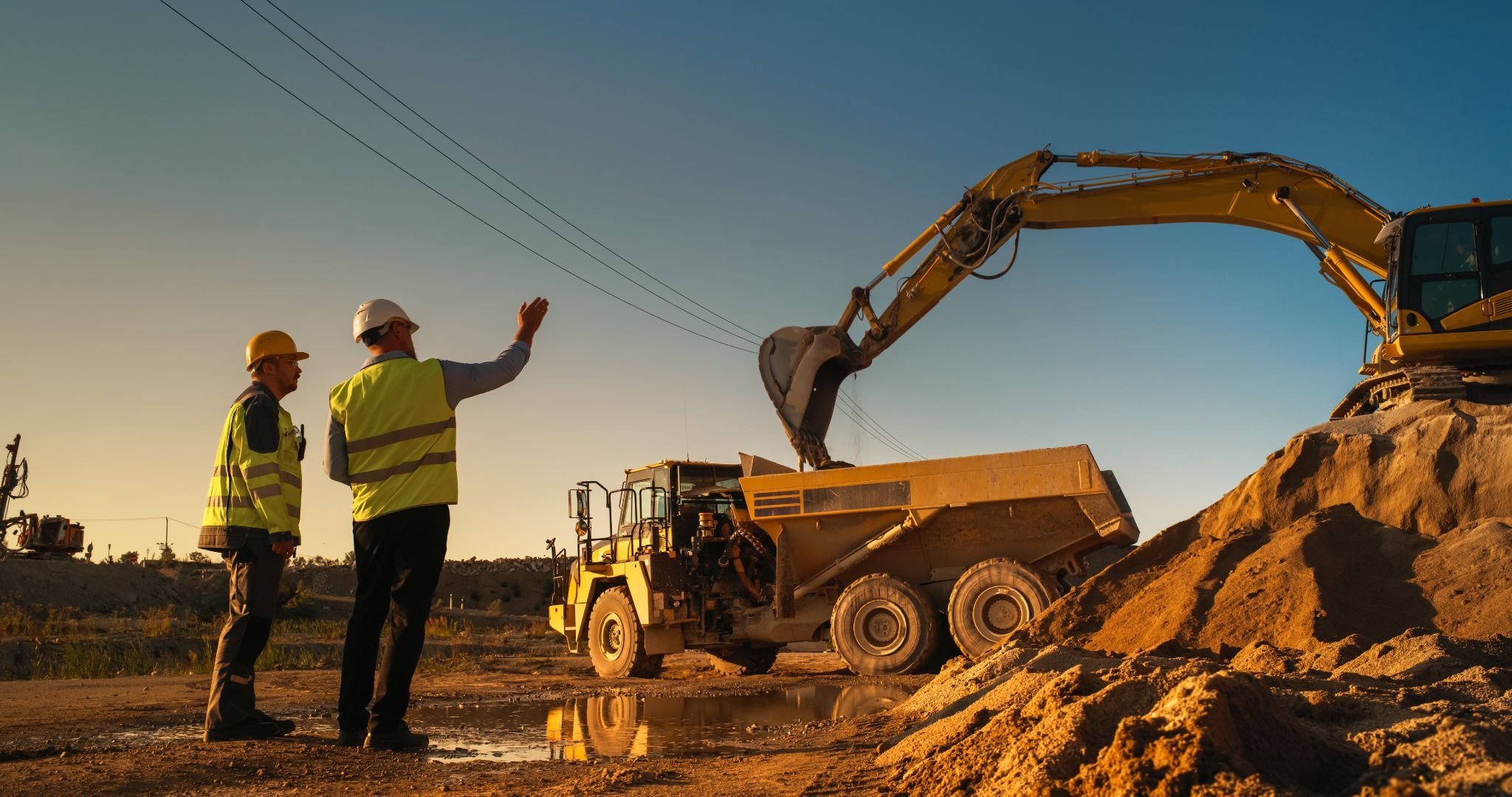
Where Australia is seeing the greatest advance in sustainable implementation is in fixed-route applications such as urban delivery, waste collection, and mining. In these industries, predictable routes and closed environments make EVs and HEVs more practical. The vehicles operate on fixed routes and return to base regularly, ensuring reliable charging and operational predictability. In mining, renewable vehicles are suited because the operational environment mitigates range and charging concerns.
There is a growing demand for HEVs and EVs in the transport sector, especially in hybrid trucks within the small to medium rigid categories. The adoption of the Australian Renewable Agency’s (ARENA) Toll project by leading businesses such as Woolworths, CUB, Coca-Cola Europacific Partners, BlueScope and Origin Energy has been essential to this shift, with fleet transition a key part of their decarbonisation strategies. For many major retailers in Australia, these vehicles are becoming increasingly more popular as a transitional solution due to their reliability and operational flexibility. In this space, large operators benefit from government and corporate incentives that offset the financial losses from depreciation, making it more viable for them to adopt green fleets.
For a long time, the cost of renewable trucks was so high it was simply too unattainable to make the transition, but with the expansion of models available on the market, particularly with affordable options, this has changed drastically. Many OEMs out of Asia have begun producing models, which has created a competitive market for renewable trucks, which will only keep prices down as these assets trickle down into the used marketplace. This price deflation has happened rapidly in the last two years and is expected to continue for the next few to come. Plus, increased fleet turnover leads to an influx of younger, high-quality EVs for remarketers like Pickles, which will give customers an even greater variety of options to choose from going forward.
The efforts taken to remove these economic barriers bodes well for Australia embracing an electric future going forward. Crucially, the availability of grants and financing for both large and small operators seeking to adapt to the changing times is becoming more commonplace. While these grants were originally big amounts handed out to large scale operations, as adoption takes off we’re seeing more financial opportunities set up to fund smaller businesses to move to renewable projects.
Although confidence is growing in renewables, the expansion of infrastructure will be a slow process. This is despite the fact that significant investment is being made in developing refuelling and charging infrastructure along the eastern seaboard, with the federal government’s $500 million "Driving the Nation" fund backing ARENA’s ambitions for the future of our country and industry.
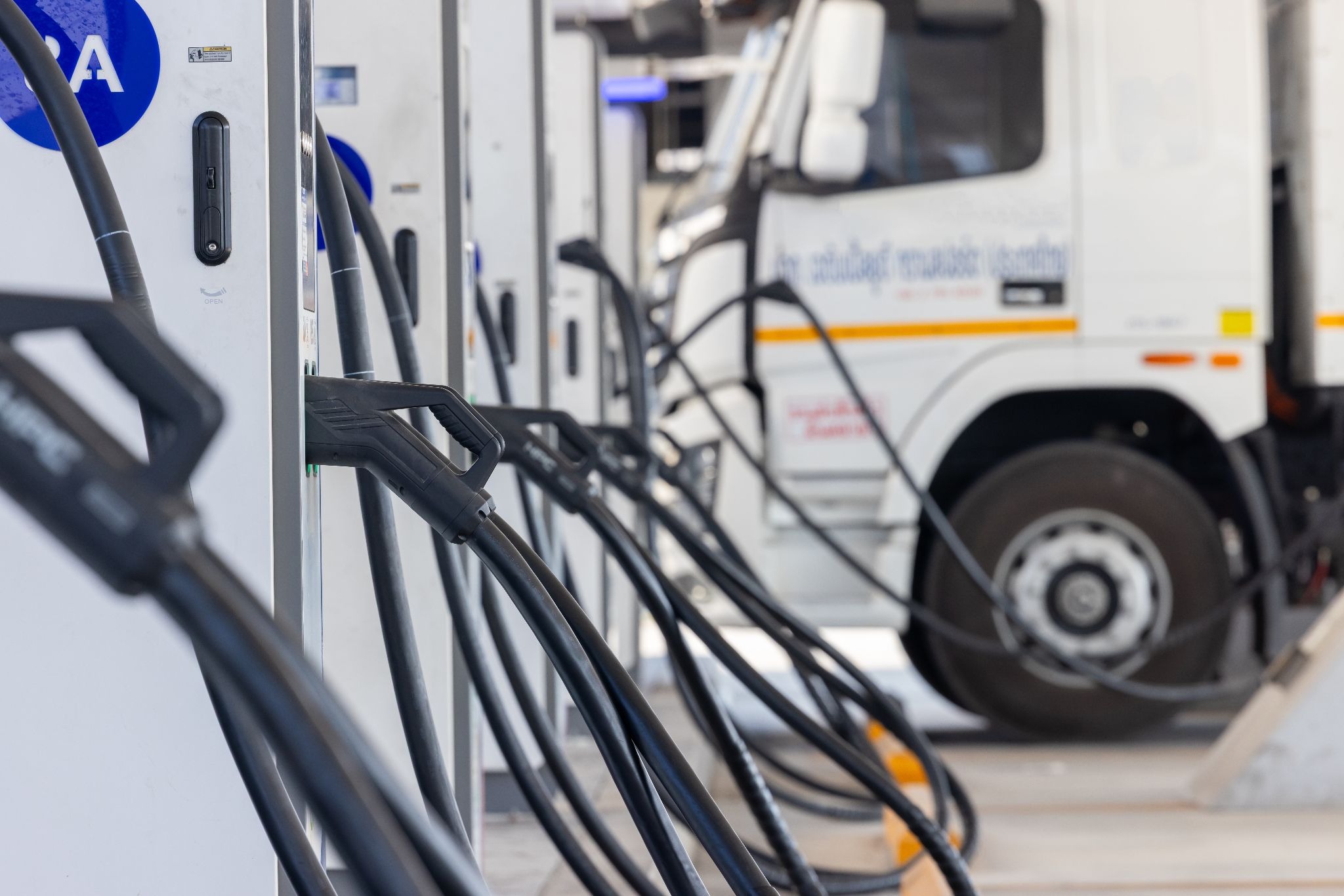
Beyond the speed at which Australia is developing infrastructure to support green initiatives, the country’s vast distances, sparse population, and remote locations make it difficult to deploy and support large numbers of renewable vehicles. Often, infrastructure investment is harder to justify compared to densely populated regions, with Original Equipment Manufacturers (OEMs) deterred by Australia’s small size and isolation, and therefore more willing to invest heavily in larger, more accessible markets like Europe.
Though, increased competition and OEM participation have led to notable price reductions in electric trucks, with the market maturing rapidly over the past two years. Smaller brands entered the market first and saw a return on their risk-taking, which led to major OEMs entering the space and prompting an increase in production. The shift is happening right in front of our eyes, and Pickles is here to guide our customers through it all.
If you’re looking for further insights, get in touch with a Pickles expert by heading to pickles.com.au.