Why EV batteries are finding a second life

How sustainability is leading to repurposed EV batteries
If you've ever owned an electric vehicle (EV) that was written off, there's a strong chance its battery is now helping power a home or business. With millions of Australian homes now equipped with solar panels, demand for battery storage is booming, with a growing shift toward sustainable energy evident in accelerating EV adoption across Australia. As EV adoption increases, so too will demand in the salvage sector, as buyers discover the benefit of reusing and repurposing salvaged EV batteries by the day.
EV batteries from salvage vehicles may no longer be suitable for powering cars but they are incredibly valuable for second life uses. Due to batteries often retaining approximately 70–80% of their capacity, they can be reused in houses storing solar energy, providing backup power in remote communities, and stabilising electricity grids. By repurposing used EV batteries into new stationary storage systems, second-life battery manufacturers are ensuring that valuable resources remain in circulation far beyond their first application.
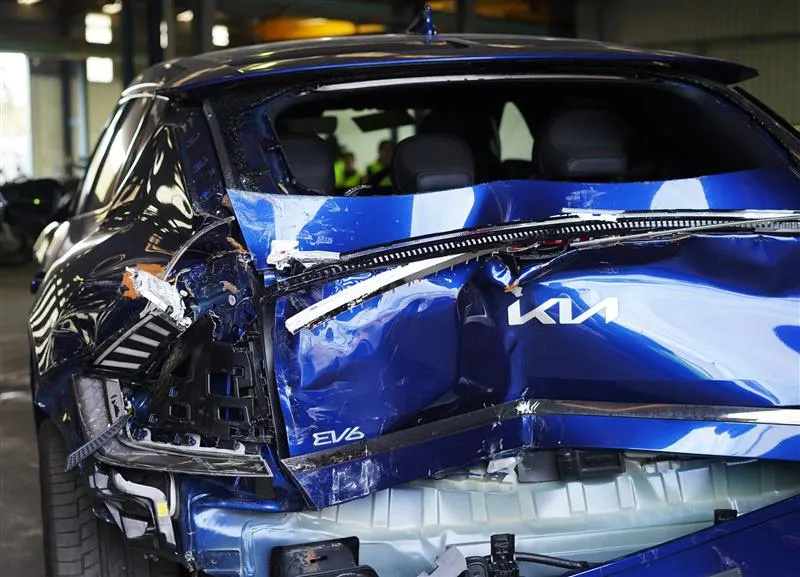
Second-life battery manufacturers are capitalising on this trend by repurposing EV batteries into home and industrial energy storage solutions. These salvaged batteries are increasingly being used to store excess solar energy, extending their useful life long after the car has been written off. This reflects the increasing demand for salvage EVs over the past year, with Pickles reporting Q2 sales up to 15 per cent on the previous quarter in 2025.
The high-powered batteries inside electric vehicles are proving to be a popular choice for salvage buyers. These consist mostly of vehicle exporters, traditional parts recyclers, and EV enthusiasts, alongside the previously mentioned second-life battery manufacturers, looking to the EV salvage market to meet the changing needs of Australians.
Whereas salvage internal combustion engine (ICE) vehicles are typically sold and parted out close to where they’re purchased, salvage EVs are increasingly moving interstate. The flow of salvage EVs across borders is more than just a logistics trend – it's an indication of where Australia's battery economy is laying its foundations. Only 56 per cent of EVs sold in Victoria remain in the state, compared to 85 per cent of those sold in New South Wales. Interest remains particularly strong in Queensland, where buyers are securing EVs listed in other states and transporting them north for reuse or repurposing.
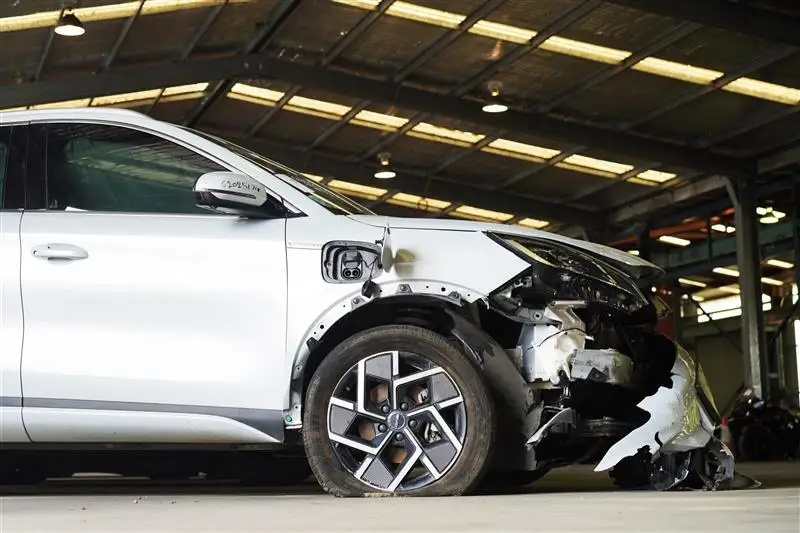
This trend aligns with the Queensland Government's $570 million Battery Industry Strategy, launched in March 2024. The program includes $210 million to build capability across the battery value chain, support innovation, and improve standards and testing – a move that's driving up demand for EV salvage units from companies across the state. Western Australia also launched a $50 million Local Battery Manufacturing Program and many other states offer grants for energy or ‘net zero’ related activities.
Since the beginning of 2023, Pickles has sold over 1,600 salvage EVs, with an average sale price of $10,000 – around three times the price of an average ICE salvage. EVs entering the salvage market are also significantly newer, averaging just three years old compared to 12 years for ICE vehicles. Tesla continues to lead EV salvage volumes, with the Model 3 and Model Y making up the majority of sales. Meanwhile, emerging brands such as BYD and MG are slowly gaining share.
The salvage EV market's growth in popularity demonstrates that sustainability does not end at the point of purchase. Initiatives aimed at extending the value of batteries has led to a concerted effort on finding new applications for existing technologies and building systems that keep materials in circulation. Longevity has become the goal, and repurposing EV batteries is a crucial part of that mission.